The Power and Perils of Peer Pressure: Understanding its Impact
Introduction
Peer pressure, a ubiquitous phenomenon in human interactions, often plays a significant role in shaping our decisions, behaviors, and even our identities. While it can sometimes motivate us to strive for greatness and make positive choices, it can also lead us down a path of conformity, compromise, and regret. In this blog, we will explore the multifaceted impact of peer pressure on individuals and society as a whole, highlighting both its positive and negative aspects.

The Positive Side of Peer Pressure
1. Motivation and Aspiration:
Positive peer pressure can be a catalyst for personal growth and achievement. When surrounded by peers who set high standards and work towards their goals, individuals often feel motivated to do the same. This can lead to improved academic performance, career success, and a strong work ethic.
2. Healthy Habits:
Friends who prioritize healthy habits like regular exercise, balanced diets, and adequate sleep can positively influence those around them. Engaging in these activities together can lead to better physical and mental health outcomes for all involved.
3. Social Skills Development:
Peer interactions help individuals develop social skills, communication abilities, and empathy. Learning from peers’ experiences and adapting to social norms is essential for healthy social development.
The Negative Side of Peer Pressure
1. Risky Behaviors:
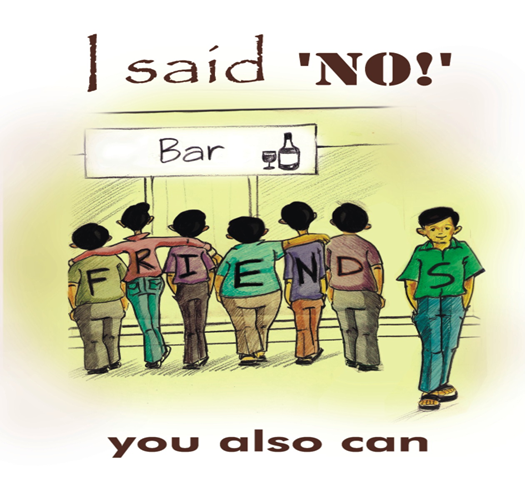
One of the most concerning aspects of peer pressure is its potential to encourage risky behaviors. Adolescents, in particular, are vulnerable to experimenting with drugs, alcohol, smoking, and unsafe sexual practices due to peer pressure.
2. Academic Performance:
Negative peer pressure can lead to academic underachievement. When students prioritize social activities or rebellion over studying, their grades can suffer.
3. Loss of Individuality:
Excessive conformity to peer expectations can stifle individuality and personal growth. People may suppress their true interests, values, and beliefs to fit in, which can lead to inner conflict and a lack of fulfillment.
4. Long-term Consequences:
Some choices made under peer pressure can have long-lasting consequences. For instance, getting involved in criminal activities or joining a toxic friend group can lead to legal troubles and damaged relationships that persist into adulthood.
Handling Peer Pressure
1. Self-awareness:
Developing a strong sense of self and your values is crucial in resisting negative peer pressure. When you know who you are and what you stand for, it becomes easier to make independent decisions.
2. Surround Yourself with Positive Influences:
Choose your friends and social circles wisely. Surrounding yourself with people who support your goals and values can help you resist negative peer pressure.
3. Communication:
Open and honest communication with friends can alleviate peer pressure situations. Express your concerns and boundaries, and encourage your peers to do the same.
4. Seek Adult Guidance:
When faced with difficult decisions or overwhelming peer pressure, don’t hesitate to seek guidance from trusted adults, such as parents, teachers, or counselors. They can offer valuable perspective and support.
Conclusion
Peer pressure is a complex and influential force in our lives. While it can be a driving force for positive change and personal growth, it also carries the potential for harm and regret. Understanding the dynamics of peer pressure, being aware of its influence, and developing the skills to navigate it are essential for individuals to make informed and autonomous choices that align with their values and aspirations. Ultimately, the impact of peer pressure depends on how individuals choose to respond to it, and with the right guidance and mindset, they can harness its positive aspects while guarding against its negative consequences.