
The Impact of Divorce on Children: Coping with Emotional and Psychological Effects
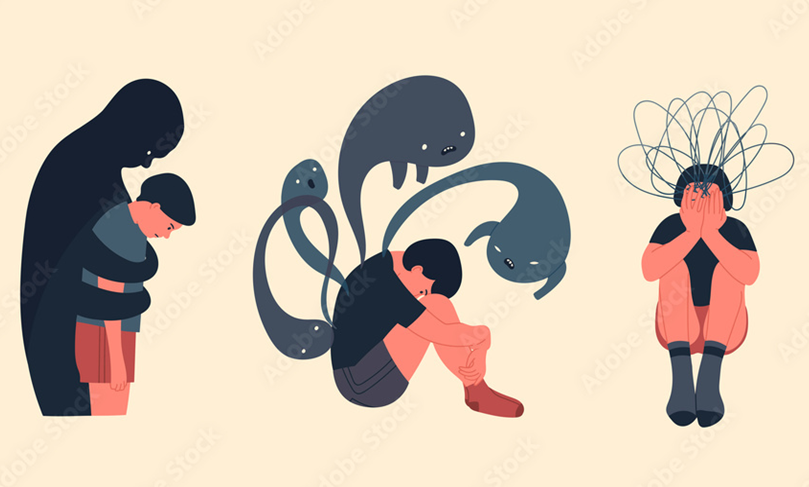
Divorce is a life-altering event that can have profound effects on the entire family, especially on the children involved. When a marriage dissolves, it is not just the parents’ lives that are disrupted; children often face emotional and psychological challenges that can leave lasting scars.
Read on to learn about the emotional and psychological effects of divorce on children to look out for and how to help kids cope.
Emotional Effects
- Feelings of abandonment: Children may experience feelings of abandonment when one parent moves out of the family home. This can lead to a deep sense of loss and insecurity.
- Guilt and self-blame: Many children blame themselves for their parents’ divorce, believing that their actions or behavior caused it. This burden of guilt can be overwhelming.

- Anger and resentment: Divorce can elicit intense emotions in children, including anger and resentment toward one or both parents. They may feel betrayed or abandoned.
- Anxiety and fear: The uncertainty of the future, changes in routine, and the prospect of splitting time between two households can trigger anxiety and fear in children.
Psychological Effects
- Low self-esteem: The upheaval of divorce can erode a child’s self-esteem. They may struggle with feelings of inadequacy and insecurity.
- Depression: Some children may develop symptoms of depression, including sadness, withdrawal, and a loss of interest in activities they once enjoyed.
- Academic problems: Divorce can impact a child’s academic performance. Concentration and motivation may wane as they grapple with the emotional fallout.
- Long-term emotional scars: Studies have shown that children of divorce are at a higher risk of experiencing emotional and psychological difficulties into adulthood, such as relationship issues and higher divorce rates in their own lives.
Keys to Helping Children Cope With Divorce
- Open communication: Encourage open and honest communication with your children. Let them express their feelings and concerns without judgment.
- Reassurance: Reassure your children that the divorce is not their fault. Explain that it’s a decision made by adults and has nothing to do with their behavior.
- Consistency: Maintain a consistent routine as much as possible. Predictability can provide a sense of stability during times of change.
- Professional help: Consider involving a therapist or counselor to help your child navigate their emotions. Professional guidance can be invaluable.
- Co-parenting cooperation: If possible, strive for a cooperative and respectful co-parenting relationship. Seeing their parents work together can ease children’-s anxiety.
- Quality time together: Spend quality time with your child. Engage in activities they enjoy and create positive memories together.

- Avoid confiding in children: It is critical that you keep your child out of the middle of divorce proceedings. Refrain from burdening your children with adult issues or conflicts. Vent to friends, family, or a therapist instead.
- Support network: Encourage your child to lean on their support network of friends and family. Surrounding them with love and care can make a significant difference.
- Model healthy coping: Be a role model for your children by demonstrating healthy ways to cope with stress and adversity.
- Patience and understanding: Understand that healing takes time. Be patient and provide ongoing support as your child processes their emotions.
While divorce can be a challenging journey for children, with the right support and strategies, they can learn to cope and thrive in their new reality. It’s crucial for parents to prioritize their children’s mental health and emotional well-being during this difficult time and work together to provide the love and stability they need to heal and grow.
For more information on helping children cope with divorce, read our blog “8 ways to Help Your Child Through Your Divorce- From a Child’s Perspective” and explore Andersen Law PC’s resource for older children through young adults, YouthOfDivorce.com.